Kensington Bridging Case Studies
Real transactions, real outcomes. Explore how we have arranged bridging finance for property investors and buyers across the Royal Borough of Kensington.
Every bridging transaction is unique, shaped by the property, the borrower, the timeline, and the specific challenges of the Kensington market. The following case studies are drawn from real transactions we have arranged across the Royal Borough. Client names and precise addresses have been anonymised, but all financial details, timelines, and outcomes are accurate. These examples illustrate the range of scenarios in which Kensington bridging finance delivers results.
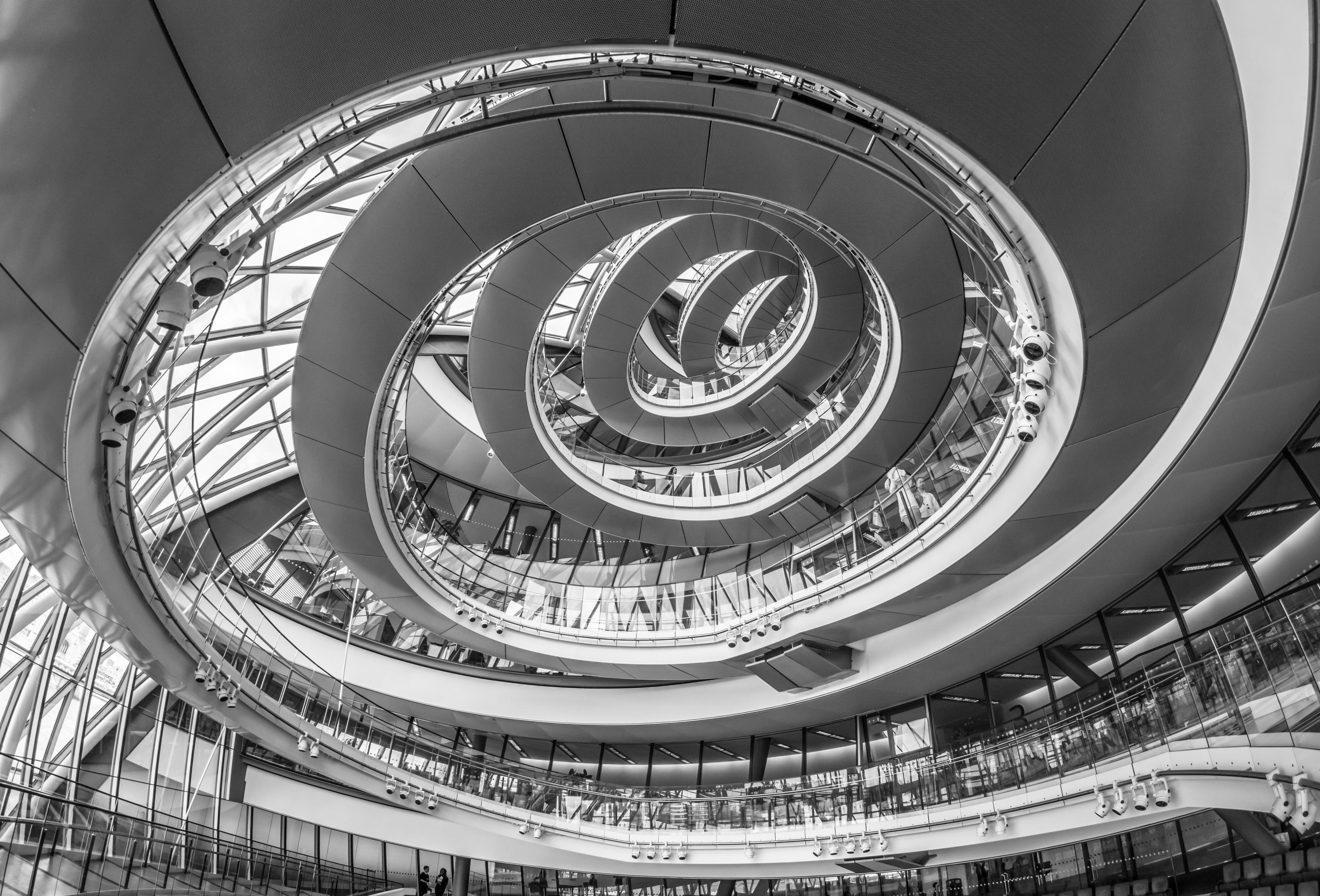
Holland Park Period Conversion
£3.2M Refurbishment Bridge
Loan Details at a Glance
£3,200,000
65%
0.65% pm
18 months
£4,900,000
Sale at £6.8M GDV
The Scenario
Our client, an experienced London property developer with a portfolio of successful Kensington conversions, identified a substantial detached Victorian villa on a sought-after Holland Park road. The property had been in single family ownership for over forty years and had not been updated since the late 1970s. Despite its dated condition, the property occupied a prime position on one of W11's most desirable residential streets, directly overlooking Holland Park itself. The vendor's family wished to achieve a swift sale following the owner's relocation to a care home, and the property was marketed off-market through a well-known Kensington estate agent at a guide price of £4.9 million. Our client recognised the opportunity to acquire a fundamentally sound period property in an exceptional location and transform it into a best-in-class family residence that would command a premium price upon completion. The proposed scheme involved a comprehensive internal reconfiguration from six bedrooms to five generous bedroom suites, the installation of a new rear extension with bi-fold doors opening onto the garden, a full mechanical and electrical rewire, new bathrooms and kitchen to a specification befitting a £6 million-plus Holland Park residence, and extensive landscaping of the rear garden. The total refurbishment budget was estimated at £1.1 million, with a projected gross development value of £6.8 million upon completion.
The Challenge
The primary challenge was the planning environment. The property sat within the Holland Park Conservation Area, meaning all external works required conservation area consent from RBKC. The proposed rear extension, while modest in scale, needed to satisfy the council's strict policies regarding extensions in conservation areas, particularly regarding the impact on the rear elevation and the relationship with neighbouring properties. Additionally, several mature trees in the rear garden were protected by Tree Preservation Orders, constraining the landscaping works. The developer needed to begin internal strip-out works immediately upon acquisition to maintain the project timeline, but the full planning consent for the rear extension was still pending at the point of purchase. Most mainstream lenders would not advance funds against a property where the full scope of permitted works was not yet consented. Furthermore, the vendor required a completion within four weeks, ruling out traditional mortgage finance. The combined need for speed, flexibility around pending planning consent, and the willingness to lend against an unimproved property at refurbishment stage made this a transaction that only specialist bridging finance could accommodate.
Our Solution
We approached three lenders from our panel who had demonstrated appetite for high-value Holland Park refurbishment transactions. The winning lender was a specialist refurbishment bridging provider with extensive experience in Kensington conservation area projects. They agreed to advance £3.2 million at 65% LTV against the current unimproved value of £4.9 million, with the facility structured in two tranches. The first tranche of £2.8 million was released on day one to fund the acquisition, with a further £400,000 held back and released in staged drawdowns against certified works to fund the refurbishment. The rate was agreed at 0.65% per month, reflecting the quality of the asset, the borrower's track record, and the conservative LTV. The arrangement fee was 1.5% of the gross facility. We completed the legal process in eight working days, with our solicitor working in parallel with the lender's solicitor to fast-track searches and title review. A RICS surveyor with specific Holland Park experience was instructed on day two and delivered the valuation report within four working days. The structured drawdown facility gave the lender comfort that the refurbishment budget would be properly deployed, while giving the borrower access to the full funds needed to complete the project without requiring a separate development finance facility.
The Outcome
The acquisition completed within the vendor's four-week deadline. Internal strip-out works began immediately, and the RBKC planning application for the rear extension was approved eight weeks later with conditions. The full refurbishment was completed in fourteen months, two months ahead of the original eighteen-month bridging term. The finished property — a stunning five-bedroom family home with period features sympathetically restored alongside contemporary living spaces — was marketed by a leading Holland Park estate agent and sold for £6.95 million, exceeding the original GDV estimate by £150,000. The developer's total project cost including acquisition, stamp duty, refurbishment, finance costs, and sales fees was approximately £5.8 million, delivering a gross profit of approximately £1.15 million. The bridging facility was redeemed in full from the sale proceeds with no extension required. This case demonstrates the value of working with a bridging broker who understands both the Kensington planning environment and the lender appetite for high-end Holland Park refurbishment projects.
South Kensington Chain Break
£1.8M Regulated Bridging
Loan Details at a Glance
£1,800,000
60%
0.75% pm
6 months
£3,000,000
Sale of existing property in Fulham
The Scenario
A professional couple with two young children had been searching for a larger family home in the South Kensington museum quarter for over eighteen months. They owned outright a three-bedroom Victorian terrace in Fulham valued at approximately £1.6 million and had been attempting to sell it while simultaneously searching for their ideal South Kensington property. Having been outbid on three previous South Kensington properties — each time by buyers who could proceed without a chain — they were becoming increasingly frustrated. Their target property came to market on a quiet residential street in SW7, less than five minutes' walk from the Natural History Museum. It was a four-bedroom lateral apartment occupying the entire first floor of a handsome white stucco building, offered at £3 million. The couple viewed the property within hours of it being listed and knew immediately it was the home they had been searching for. However, the vendor's agent made clear that multiple parties were interested and that the vendor would prioritise buyers who could exchange quickly without a chain. The couple's Fulham property was under offer, but the buyer was in a chain themselves, with completion estimated at three to four months away. Without bridging finance, they would lose yet another South Kensington property to a competing chain-free buyer.
The Challenge
This was a regulated bridging transaction because the couple intended to occupy the South Kensington apartment as their primary residence. Kensington Bridging Finance is not FCA-authorised, so cases like this are referred to an FCA-authorised broker, who must comply with FCA rules imposing additional requirements around affordability assessment, cooling-off periods, and documentation. This typically adds time and complexity to the process. The couple needed to demonstrate a credible exit strategy — the sale of their Fulham property — while also satisfying the lender's affordability criteria. The Fulham property was under offer at £1.6 million, but the buyer's chain introduced uncertainty about the timeline. There was also a timing pressure: the South Kensington vendor wanted to exchange within three weeks, and the couple needed to be in a position to do so. The regulatory requirements of a regulated bridging loan typically require more time than an unregulated facility, creating tension between the FCA compliance timeline and the vendor's deadline. Additionally, the loan amount of £1.8 million at 60% LTV against a £3 million purchase price meant the couple needed to contribute £1.2 million of their own equity. They planned to raise this through a combination of savings and a short-term loan from a family member, with the family loan to be repaid from the Fulham sale proceeds.
Our Solution
We referred the couple to an FCA-authorised broker, who identified a specialist regulated bridging lender with a streamlined compliance process that could meet the three-week exchange deadline. The lender agreed to advance £1.8 million at 60% LTV against the South Kensington purchase price of £3 million. The rate was 0.75% per month — slightly higher than an equivalent unregulated facility, reflecting the additional regulatory overhead. The arrangement fee was 2% of the loan amount. The key to meeting the timeline was parallel processing. The valuation was instructed on the same day as the application, with the surveyor attending the South Kensington property within 48 hours. The lender's compliance team conducted the affordability assessment simultaneously with the legal process, rather than sequentially. The panel solicitor, experienced in regulated bridging transactions, ensured all FCA-required documentation was completed accurately and promptly, avoiding the delays that can occur when solicitors are unfamiliar with regulated bridging requirements. The exit strategy was assessed as strong: the Fulham property was under offer with a motivated buyer, mortgage offer in place, and solicitors instructed. The lender was comfortable that the Fulham sale would complete within the six-month bridging term, providing more than sufficient funds to repay the £1.8 million bridge.
The Outcome
The couple exchanged on the South Kensington apartment within nineteen days of their initial enquiry — two days ahead of the vendor's deadline. They moved into their new home within a month, allowing their children to start the school term at a nearby South Kensington primary school as planned. The Fulham property sale completed four months later at the agreed price of £1.6 million. The bridging loan was redeemed in full from the sale proceeds, with the total cost of bridging finance — including interest, arrangement fee, and legal fees — coming to approximately £80,000. The couple regarded this as a worthwhile investment to secure their dream South Kensington family home after eighteen months of searching and three failed attempts. Without the chain break bridging facility, they would almost certainly have lost this property to another buyer, as had happened three times previously. This case illustrates how regulated bridging finance can help owner-occupier buyers compete effectively in the ultra-competitive South Kensington property market.
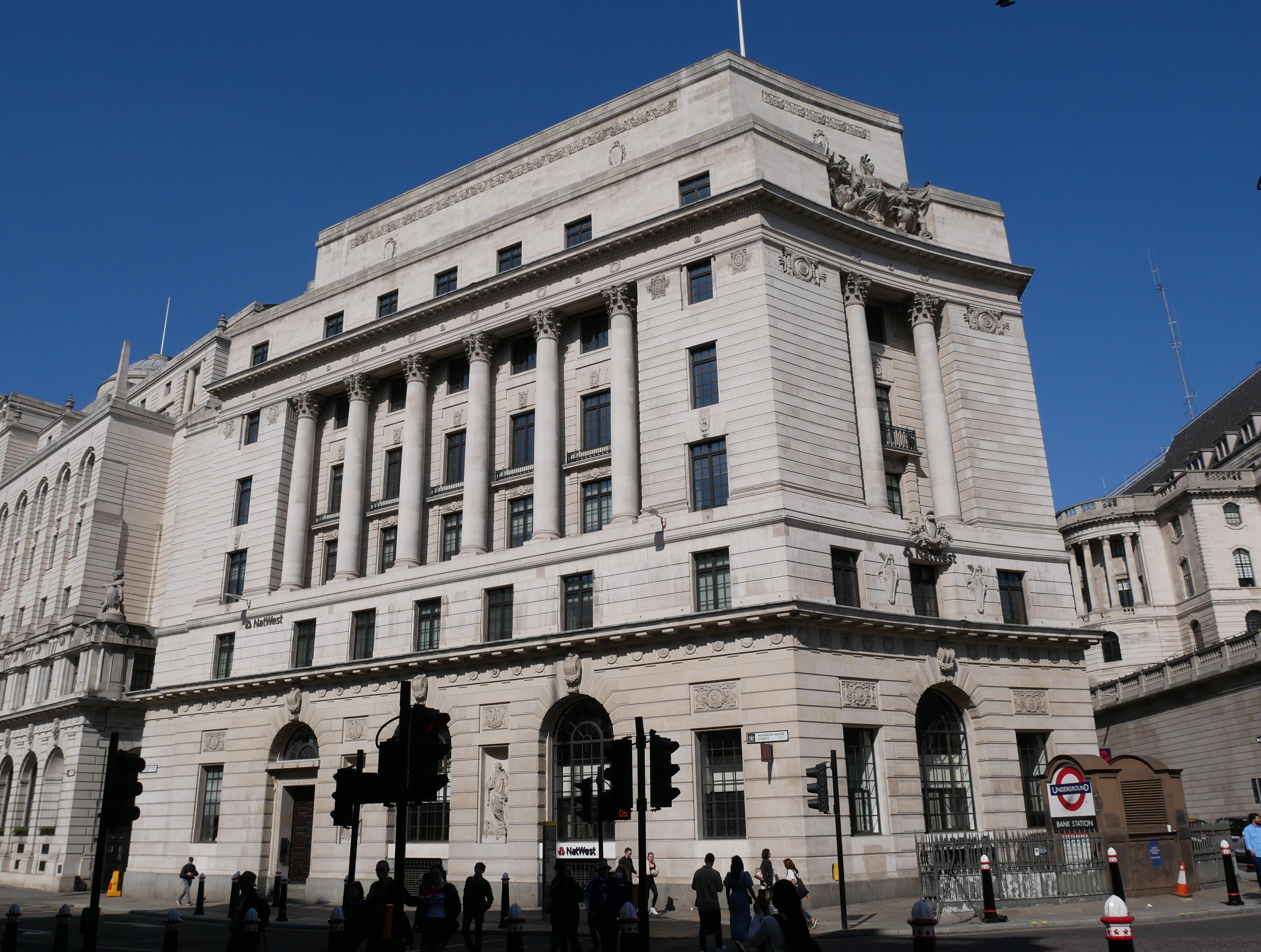
Notting Hill Auction Purchase
£950K Auction Finance
Loan Details at a Glance
£950,000
73%
0.70% pm
12 months
£1,300,000
Refinance to buy-to-let mortgage
The Scenario
An experienced buy-to-let investor with a portfolio of six residential properties across West London identified a one-bedroom garden flat in Notting Hill listed in an upcoming London property auction. The flat, located in a Victorian conversion on a desirable Notting Hill street close to Portobello Road, had been repossessed by a mortgage lender and was being sold with vacant possession. The auction guide price was £850,000 to £900,000, which the investor's research indicated was significantly below the market value for a comparable flat in the same street, where recent sales data showed one-bedroom flats achieving £1.2 million to £1.4 million. The discount reflected the property's condition — it required a full internal refurbishment including new bathroom, new kitchen, redecoration throughout, and replacement of the dated central heating system — and the fact that auction properties typically attract a discount to reflect the speed and certainty required from buyers. The investor's plan was to acquire the flat at auction, carry out a light refurbishment costing approximately £60,000 over three to four months, and then refinance onto a buy-to-let mortgage at the improved value, retaining the flat as a long-term rental investment. Expected rental income after refurbishment was £2,800 per month, providing a healthy yield relative to the all-in cost. The investor had attended the auction viewing, instructed a surveyor to assess the refurbishment scope, and was confident in the opportunity. What he needed was confirmed bridging finance in place before the auction date.
The Challenge
Auction purchases present a unique financing challenge: once the hammer falls, the buyer must pay a 10% deposit immediately and complete the purchase within 28 calendar days. There is no flexibility on this deadline — failure to complete results in forfeiture of the deposit and potential legal action from the vendor. This means the bridging facility must be agreed in principle before the auction, with the lender committed to completing within the auction timeframe. The specific challenges in this case included the repossession status of the property, which meant limited information was available about the property's title and any outstanding charges. The property also required a refurbishment, and the investor needed a facility that would cover both the acquisition cost and the refurbishment budget. The investor's existing portfolio meant that some lenders' exposure limits were a concern — two of his existing properties were already financed by lenders on our panel, limiting the options. Finally, the auction was scheduled for a Thursday, meaning the 28-day completion deadline fell on a Friday, leaving very little margin for any delays in the legal or valuation process.
Our Solution
We arranged a pre-auction bridging facility with a lender experienced in Notting Hill auction purchases. The lender issued a formal Decision in Principle based on the auction catalogue details, the investor's portfolio schedule, and an estimated market value provided by a local Notting Hill agent. The facility was structured as £950,000 at 73% of the estimated current value of £1.3 million (which the formal valuation subsequently confirmed). The rate was 0.70% per month with a 2% arrangement fee. The facility included an additional £60,000 earmarked for the refurbishment, to be drawn down upon completion of the works. This meant the total gross facility was £1,010,000, though only £950,000 was drawn on day one. Pre-auction preparation was critical. We instructed a RICS surveyor to inspect the property during the auction viewing period, so the valuation report was largely complete before auction day. Our solicitor began preliminary title investigations using Land Registry data available from the auction pack. This meant that on the day after the auction, when the investor confirmed his successful bid at £925,000, the legal and valuation processes were already well advanced. The lender issued formal offer within three working days of the auction, and completion took place on day 21 — a full week ahead of the 28-day deadline.
The Outcome
The investor completed the auction purchase for £925,000, drawing down £950,000 from the bridging facility (the additional £25,000 covering stamp duty and fees). The refurbishment was completed in ten weeks at a cost of £58,000, slightly under the £60,000 budget. The remaining £60,000 refurbishment tranche was drawn down to reimburse the investor's refurbishment expenditure. A post-works valuation confirmed the improved value at £1.35 million. The investor then refinanced onto a buy-to-let mortgage at 75% LTV (£1,012,500), repaying the bridging facility in full and releasing equity to contribute to his next acquisition. The total bridging costs including interest, arrangement fee, and exit fee were approximately £95,000, which was comfortably absorbed within the overall investment economics. The flat was let immediately at £2,850 per month, exceeding the initial rental estimate. This case demonstrates the importance of having a pre-arranged bridging facility for auction purchases in competitive Notting Hill. The investor's preparation, combined with our pre-auction bridging structure, meant he could bid with confidence and complete well within the deadline.
North Kensington Commercial Conversion
£1.4M Development Bridge
Loan Details at a Glance
£1,400,000
70%
0.85% pm
18 months
£2,000,000
Sale of converted residential units
The Scenario
A small development company specialising in commercial-to-residential conversions in North West London identified a vacant two-storey commercial building on a prominent North Kensington high street in the W10 postcode. The building had most recently been used as office space but had been vacant for over two years. The property occupied a corner plot with excellent natural light on three sides and a small rear yard with potential for parking or garden space. The asking price was £1.3 million, reflecting the commercial use class and vacant condition. The developer's plan was to convert the building into four self-contained residential flats — two one-bedroom flats on the ground floor and two two-bedroom flats on the first floor — using permitted development rights under Class MA of the Town and Country Planning (General Permitted Development) Order. This route allowed conversion from commercial to residential use without requiring a full planning application, significantly reducing both the timeline and the planning risk. The estimated conversion cost was £400,000, including structural works to create separate entrances, new internal walls and floors, full mechanical and electrical installation, kitchens, bathrooms, and external redecoration. The projected gross development value of the four completed flats was £3.2 million, based on comparable sales evidence from recent North Kensington residential transactions. The developer had successfully completed three similar conversions in Harlesden and Kensal Green, giving them a strong track record in this type of project.
The Challenge
Commercial-to-residential conversions present specific challenges for bridging finance. Lenders must assess both the current commercial value and the projected residential value, and they must be satisfied that the permitted development rights are valid and that the prior approval process will be straightforward. In this case, there were several specific concerns. First, the building sat within the Kensal neighbourhood of North Kensington, an area undergoing significant change but one where some lenders have limited valuation evidence for residential conversions. Second, the prior approval application under Class MA had been submitted but not yet determined at the point of acquisition — the developer wanted to proceed with the purchase to secure the building before a competing buyer, relying on the strength of the permitted development right. Third, the conversion involved structural works including the creation of new load-bearing walls and separate entrances, which placed it at the heavier end of refurbishment bridging and required a lender comfortable with development-level risk. Fourth, the developer's track record, while strong, was entirely outside the Royal Borough, meaning lenders could not point to a completed Kensington project as evidence of local experience.
Our Solution
We structured the financing as a development bridge rather than a standard refurbishment facility, which gave us access to lenders specialising in conversion projects. The winning lender was a specialist development bridging provider with experience in Class MA conversions across London. They agreed to advance £1.4 million at 70% of the current commercial value of £2 million, with the facility structured to cover both the acquisition at £1.3 million and an initial contribution toward the conversion costs. The rate was 0.85% per month, reflecting the development nature of the project and the higher risk profile compared to a straightforward residential bridging loan. The arrangement fee was 2% of the facility. The lender took comfort from several factors: the developer's track record of three completed conversions, the conservative LTV against current commercial value, the strength of the residential end values in North Kensington (which had seen consistent demand growth as the area gentrified), and the relative simplicity of the Class MA permitted development route compared to a full planning application. We also negotiated a drawdown facility for the conversion costs, allowing the developer to draw down in four staged tranches of £100,000 each as works progressed, certified by the lender's monitoring surveyor. This reduced the day-one borrowing and therefore the overall interest cost.
The Outcome
The acquisition completed in nine working days. The prior approval under Class MA was granted six weeks later without conditions, confirming the residential conversion right. The conversion works began immediately and were completed in eleven months, three months ahead of schedule, due to the developer's efficient project management and the relatively straightforward nature of the structural works. The four completed flats were marketed individually: the two one-bedroom ground-floor flats sold for £680,000 and £695,000 respectively, and the two two-bedroom first-floor flats sold for £920,000 and £940,000 respectively. The total sales revenue was £3.235 million, marginally above the original GDV estimate. The developer's total project cost — including acquisition, stamp duty, conversion works, bridging finance costs, sales agent fees, and legal fees — was approximately £2.35 million, delivering a gross profit of approximately £885,000. The bridging facility was redeemed in full from the staged sales proceeds over a three-month sales period, well within the eighteen-month term. This case study illustrates how development bridging finance can unlock significant value in North Kensington commercial conversion opportunities, particularly where permitted development rights reduce planning risk and accelerate the development timeline.
Earl's Court Opportunity Acquisition
£2.1M Investment Bridge
Loan Details at a Glance
£2,100,000
75%
0.60% pm
12 months
£2,800,000
Refinance to portfolio mortgage
The Scenario
A high-net-worth investor with a substantial residential property portfolio across central London identified a strategic acquisition opportunity in the Earl's Court area. The property was a freehold Victorian end-of-terrace house on a residential street in SW5, currently configured as a house of multiple occupation with six individual letting rooms sharing communal kitchen and bathroom facilities. The property was being sold by a retiring landlord who had operated it as an HMO for over twenty years without significant investment. The asking price was £2.8 million, and the investor negotiated a purchase price of £2.75 million on the basis of a swift, chain-free completion within three weeks. The investor's strategy was twofold. In the short term, the property would continue to operate as an HMO with upgraded communal facilities, generating approximately £8,500 per month in rental income — an attractive yield for the Earl's Court area. In the medium term, over the following twelve to eighteen months, the investor planned to apply for planning permission to convert the property into three self-contained flats, which would significantly increase both the capital value and the rental income. The Earl's Court area was particularly attractive due to the ongoing mega-regeneration project at the former Earl's Court Exhibition Centre site, which the investor believed would drive substantial value appreciation across the surrounding residential streets over the coming five to ten years. This was a long-term strategic acquisition, positioned to benefit from infrastructure investment and area improvement that had already begun to influence local property prices.
The Challenge
HMO properties present specific challenges for bridging finance. Lenders must assess the property based on its current lawful use as an HMO, which requires evidence of the appropriate HMO licence from RBKC. The property's value as an HMO may differ significantly from its value as a standard residential property, and not all bridging lenders have the expertise to assess HMO valuations accurately. In this case, the retiring landlord had held a mandatory HMO licence that was due for renewal within three months of the proposed completion date. The investor needed to apply for a new HMO licence in their own name upon acquisition, and there was a transitional period during which the property could continue to operate lawfully while the new licence application was processed. Some lenders were uncomfortable with this transitional licensing position. The three-week completion deadline added further pressure. The vendor was clear that he had received alternative offers from cash buyers and would not wait for a delayed completion. The investor had the financial resources to contribute a 25% deposit but needed bridging finance for the balance to preserve liquidity across his broader portfolio. The exit strategy — refinancing onto a portfolio mortgage — required the investor to demonstrate that the HMO licence had been renewed and the property was operating compliantly, which would take several months to confirm after acquisition.
Our Solution
We identified a lender from our panel with specific expertise in HMO bridging across prime London boroughs. This lender understood the RBKC HMO licensing regime and was comfortable with the transitional licensing position, provided the investor could demonstrate that a new licence application would be submitted promptly upon completion. The facility was agreed at £2.1 million, representing 75% LTV against the purchase price of £2.8 million. The rate was highly competitive at 0.60% per month, reflecting the quality of the borrower's overall portfolio, the strong rental income from the HMO, and the premium Earl's Court location. The arrangement fee was 1.5%. The lender instructed a specialist HMO surveyor who valued the property at £2.85 million on an HMO basis, confirming the purchase price represented fair value. The surveyor's report also assessed the property's physical condition and confirmed that the communal areas, while dated, met the minimum standards required for HMO licensing. This gave the lender comfort that the property would continue to generate rental income during the bridging term without requiring immediate capital expenditure. We completed the legal process in twelve working days, with the solicitor's title investigation confirming the freehold title was clean and that there were no restrictive covenants preventing HMO use. Exchange and completion took place simultaneously on day fifteen, well within the vendor's three-week deadline.
The Outcome
The acquisition completed for £2.75 million — a modest discount negotiated by the investor in exchange for the speed and certainty of a bridging-funded completion. The HMO continued to operate throughout the bridging term, generating gross rental income of approximately £8,500 per month. The new HMO licence was granted by RBKC within four months of the application, removing the transitional licensing risk. The investor used the rental income to service the monthly interest payments on the bridging facility, significantly reducing the net cost of the bridging finance during the holding period. After eight months, the investor refinanced onto a specialist HMO portfolio mortgage at 70% LTV against an updated valuation of £2.9 million, providing a facility of £2,030,000 supplemented by the investor's own funds to redeem the bridging loan in full. The total bridging cost including interest (net of rental income offset), arrangement fee, and professional fees was approximately £75,000. The investor retained a high-yielding HMO asset in a location positioned for significant medium-term capital appreciation driven by the Earl's Court regeneration. Planning consultants have since been appointed to explore the residential conversion opportunity, which is expected to increase the property's value to approximately £4.2 million as three self-contained flats. This case demonstrates how investment bridging finance can enable swift, strategic acquisitions in areas undergoing transformation, where the ability to move quickly ahead of anticipated value growth is a decisive competitive advantage.
Have a Similar Project in Kensington?
Every case study on this page started with a single conversation. Whether you are planning a refurbishment, breaking a chain, purchasing at auction, or seizing an investment opportunity, we can arrange the bridging finance you need.
Call us on 020 3816 3693 or submit an enquiry online for a response within 30 minutes.